
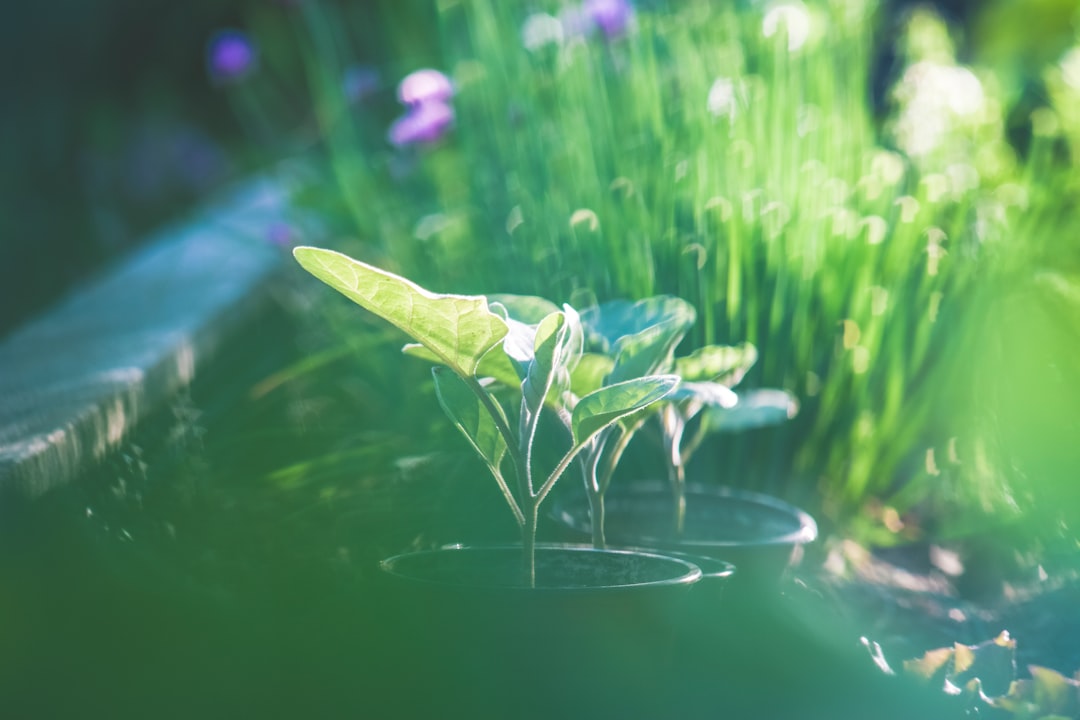
Exploring the Benefits of Raised Bed Gardening Techniques

Raised bed gardening has gained popularity among both novice and experienced gardeners alike. This method of gardening involves creating a contained garden bed that is elevated above the surrounding soil. While many people are drawn to this technique for its aesthetic appeal, there are numerous practical benefits that make raised bed gardening a worthwhile investment for anyone looking to enhance their gardening experience.
Myth: Raised beds are only for experienced gardeners.
Truth: Raised beds are accessible for gardeners of all skill levels. They simplify the gardening process, making it easier for beginners to cultivate plants successfully.
One of the primary advantages of raised bed gardening is improved soil quality. Traditional gardening often suffers from compacted soil, which can hinder root growth and water drainage. By using raised beds, you can create a custom soil mix that is tailored to the specific needs of your plants. This allows for better aeration and drainage, leading to healthier plants and more bountiful harvests.
Additionally, raised beds can help extend the growing season. The soil in raised beds warms up faster in the spring, allowing you to plant earlier and enjoy a longer growing period. This is particularly beneficial for gardeners in cooler climates who want to maximize their yield.
Myth: Raised beds require too much maintenance.
Truth: While raised beds do require some upkeep, they often demand less maintenance than traditional gardens. The contained environment can reduce weed growth and make it easier to manage pests.
Another significant benefit of raised bed gardening is the ease of access. The elevated height of the beds means that you won’t have to bend down as much, reducing strain on your back and knees. This makes gardening more enjoyable and accessible, especially for those with mobility issues. Furthermore, the defined boundaries of raised beds can help keep your garden organized and visually appealing.
Raised beds also provide an excellent opportunity for creative gardening. You can design your garden layout to suit your personal style, whether that means creating a symmetrical pattern or a more organic, flowing design. This flexibility allows you to experiment with different plant combinations and arrangements, making gardening a more engaging and fulfilling hobby.
When it comes to water management, raised beds can be a game-changer. They often require less water than traditional gardens because the soil retains moisture better. This is particularly advantageous in areas prone to drought or where water conservation is a priority. Additionally, you can easily implement drip irrigation systems in raised beds, ensuring that your plants receive consistent moisture without the risk of overwatering.
For those interested in growing vegetables, raised beds are particularly beneficial. They provide a controlled environment that can help deter pests and diseases, leading to healthier crops. Plus, the improved drainage and soil quality can result in higher yields, making raised beds an excellent choice for vegetable gardening.
In conclusion, raised bed gardening offers a multitude of benefits that cater to the needs of modern gardeners. From improved soil quality and extended growing seasons to ease of access and creative design opportunities, this gardening technique can enhance your gardening experience significantly. Whether you are a seasoned gardener or just starting, raised beds can help you achieve your gardening goals with less effort and more enjoyment. Embrace the advantages of raised bed gardening and transform your outdoor space into a flourishing garden.