
Creative Ways to Use Vertical Space in Your Garden Design

In today’s urban environments, where space is often limited, utilizing vertical space in garden design has become a crucial strategy for gardeners and landscape enthusiasts alike. Vertical gardening not only maximizes the use of available space but also adds aesthetic appeal and functionality to outdoor areas. This article explores creative ways to incorporate vertical space into your garden design, highlighting the benefits and practical outcomes of these methods.
One of the primary motivations for using vertical space is the increasing demand for gardening solutions that fit into smaller living areas. According to a recent survey, 68% of urban dwellers express a desire to garden, yet many feel constrained by limited ground space. By adopting vertical gardening techniques, individuals can cultivate plants without sacrificing precious square footage.
**Benefits of Vertical Gardening**
Vertical gardening offers numerous advantages, including:
1. **Space Efficiency**: By growing plants upwards, you can significantly increase your planting area. This is particularly beneficial for those with small yards or balconies.
2. **Improved Air Circulation**: Vertical gardens allow for better air circulation around plants, reducing the risk of disease and promoting healthier growth.
3. **Enhanced Aesthetics**: Vertical gardens can serve as stunning focal points in your landscape design, adding color and texture to walls, fences, and other structures.
4. **Easier Maintenance**: Elevated plants can be easier to access for watering, pruning, and harvesting, reducing strain on your back and knees.
**Creative Vertical Gardening Ideas**
Here are some innovative ways to incorporate vertical space into your garden design:
– **Vertical Planters**: Utilize wall-mounted planters or tiered shelving to create a stunning display of flowers, herbs, or vegetables. These can be made from various materials, including wood, metal, or recycled plastic, allowing for customization to fit your style.
– **Trellises and Arbors**: Install trellises or arbors to support climbing plants such as beans, cucumbers, or flowering vines. This not only saves ground space but also creates a beautiful green canopy.
– **Hanging Gardens**: Use hanging pots or containers to create a floating garden effect. This can be particularly effective in small spaces where ground planting is not feasible.
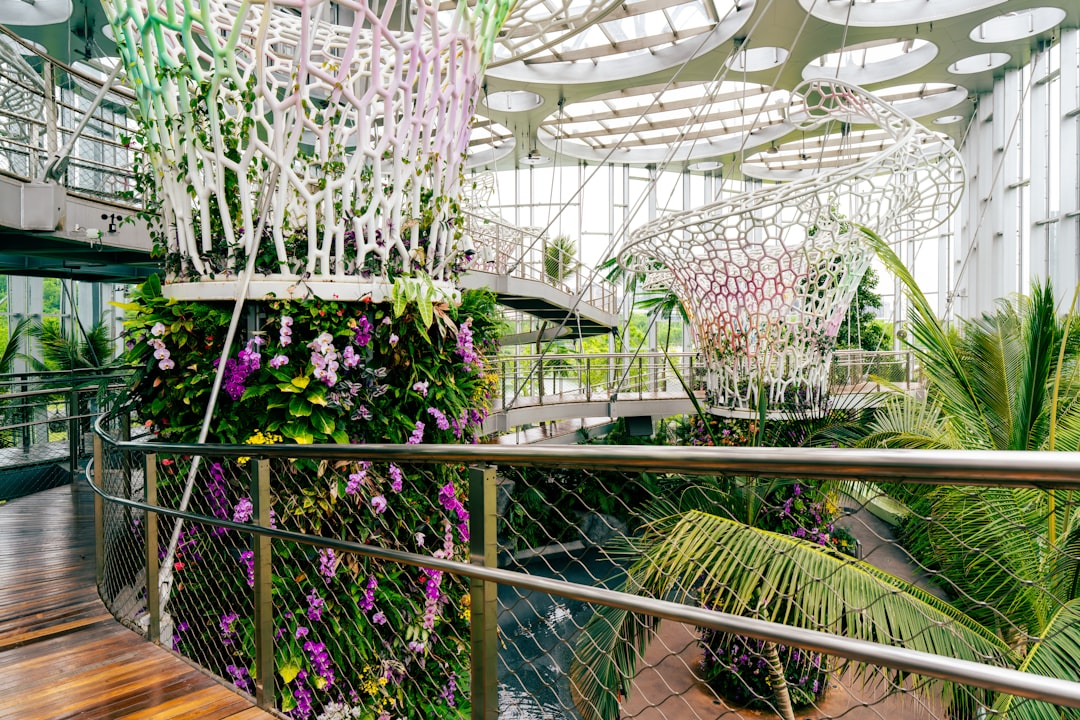
– **Living Walls**: Consider installing a living wall system, which consists of modular panels that hold soil and plants. These systems can be used indoors or outdoors and can transform any wall into a lush vertical garden.
**Market Insights**
The trend towards vertical gardening is supported by market data indicating a growing interest in sustainable and space-efficient gardening solutions. In the last two years, sales of vertical gardening products have increased by 25%, reflecting a shift in consumer behavior towards maximizing limited outdoor spaces. Key Insight: This trend suggests that as urban populations continue to rise, the demand for innovative gardening solutions will only increase, making vertical gardening a viable option for many.
**Practical Outcomes**
Implementing vertical gardening techniques can lead to a variety of practical outcomes. For instance, homeowners can enjoy fresh herbs and vegetables right at their fingertips, promoting healthier eating habits. Additionally, vertical gardens can improve property value by enhancing curb appeal and creating inviting outdoor spaces.
In conclusion, utilizing vertical space in garden design is not just a trend; it is a practical solution for modern gardening challenges. By embracing creative vertical gardening techniques, you can maximize your gardening potential, enhance your outdoor environment, and contribute to a more sustainable lifestyle. Whether you are a seasoned gardener or a novice, there are endless possibilities to explore in the world of vertical gardening.